Understanding Window Condensation

Prevent and manage moisture buildup on your rental windows

Condensation on window

What Causes Window Condensation?

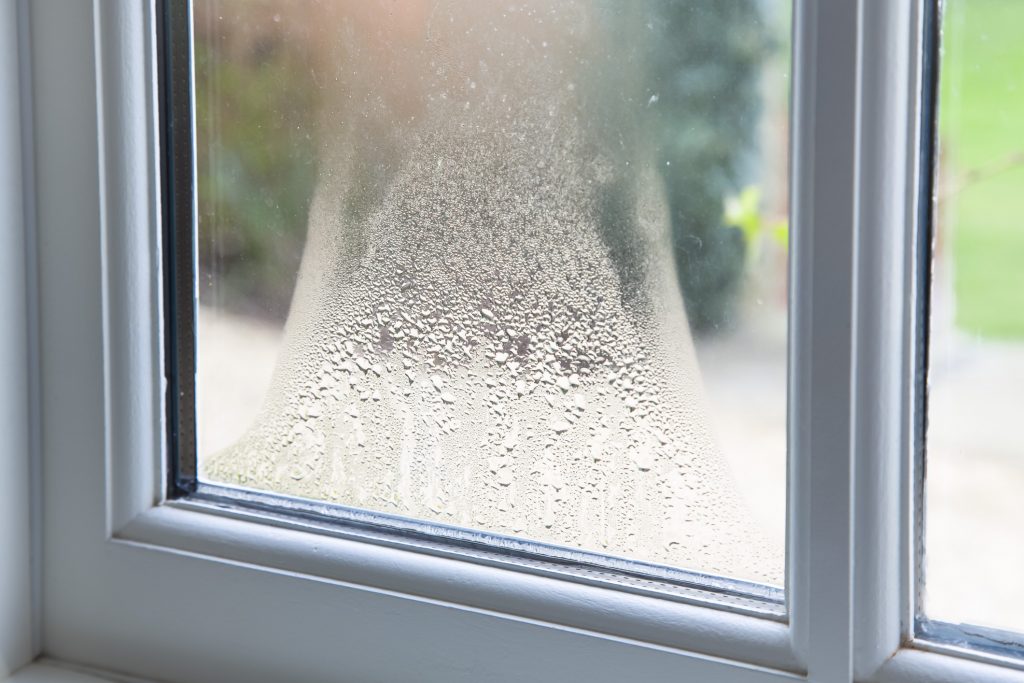
Condensation forms when warm, moist indoor air contacts a cold surface like a window. In Canadian winters, single-pane windows can become cold enough for water vapor to condense, creating droplets or even frost.

Normal vs. Excessive: Some condensation is normal, but excessive moisture can damage window frames, walls, and promote mold growth.

Common Causes of Excess Condensation

High Indoor Humidity

Cooking, showering, plants, and breathing all add moisture to indoor air. Ideal humidity is 30-50% in winter.

Poor Ventilation

Sealed, energy-efficient rentals trap moisture. Adequate air exchange is crucial.

Cold Windows

Single-pane or poorly insulated windows reach dew point temperature easily.

Blocked Airflow

Heavy curtains or furniture blocking windows prevent warm air circulation.

Preventing Condensation

1. Control Indoor Humidity

  • Use bathroom exhaust fans during and after showers
  • Run kitchen fan when cooking
  • Limit number of houseplants
  • Vent clothes dryer properly

2. Improve Ventilation

  • Open windows briefly each day for air exchange
  • Use trickle vents if available
  • Run bathroom fans longer after use
  • Don't block air vents or returns

3. Improve Window Insulation

  • Install window insulation film (raises interior surface temperature)
  • Use thermal curtains (open during day for airflow)
  • Keep window areas unobstructed for air circulation

Managing Existing Condensation

Daily Maintenance

  • Wipe down wet windows each morning
  • Check for and remove ice buildup
  • Dry window sills to prevent damage
  • Monitor for mold growth
When to Contact Landlord: Persistent condensation causing frame damage, mold growth, or ice dams may indicate building issues requiring professional attention.